Optimal Timing for Deck Railing Repairs
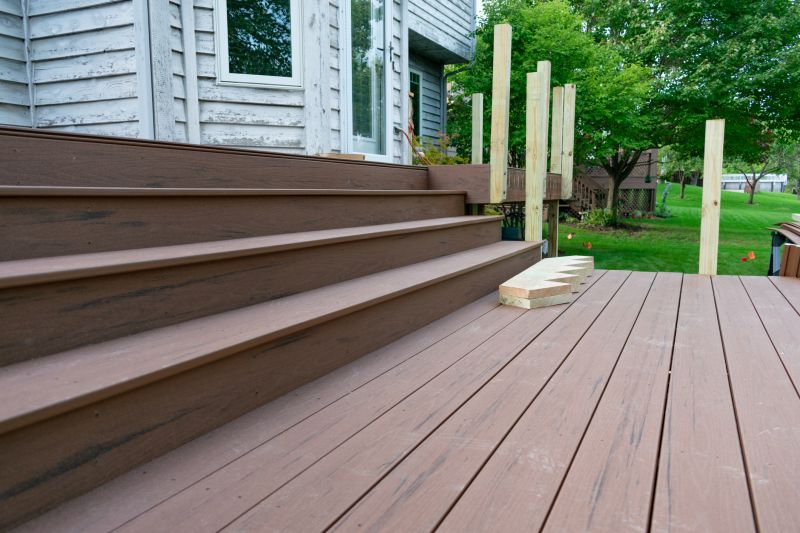
Spring offers ideal conditions for repairs due to moderate temperatures and dry weather, ensuring materials set properly.
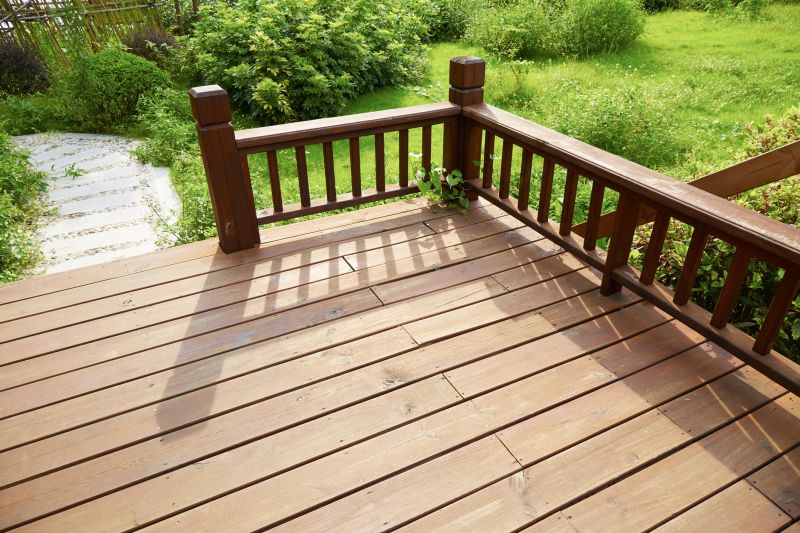
Summer can be suitable if weather is dry, but high temperatures may affect curing times for certain repairs.
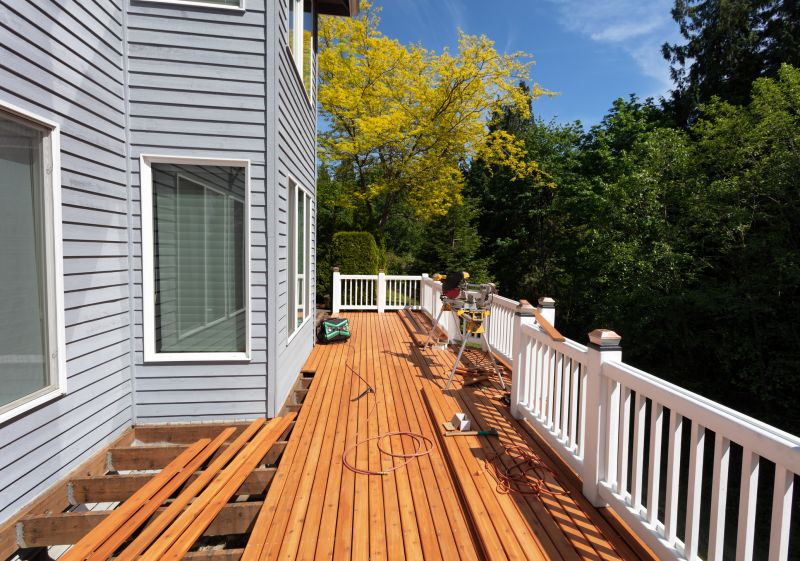
Fall is a good time to repair before winter, with cooler temperatures aiding in proper adhesion and curing.
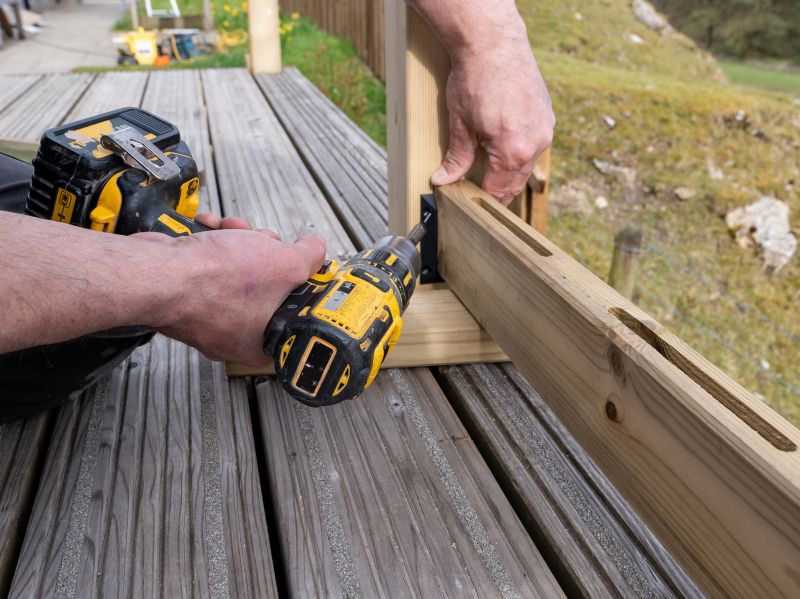
Ways to make Deck Railing Repairs work in tight or awkward layouts.
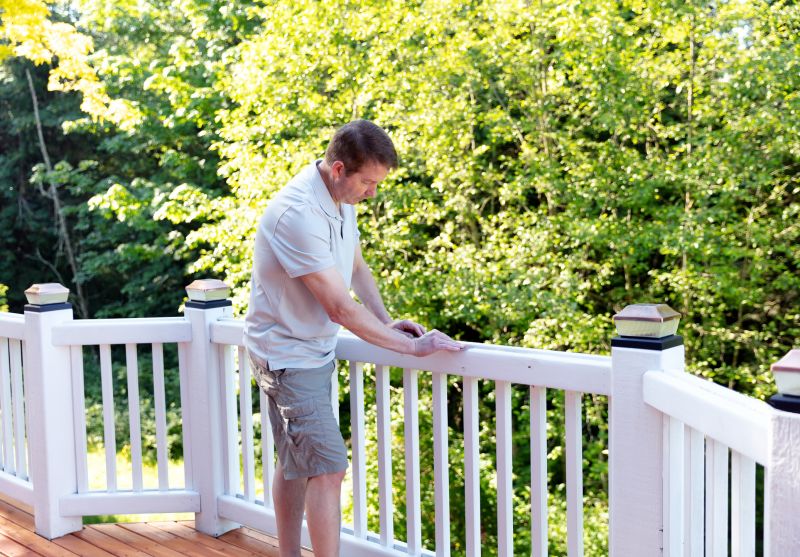
Popular materials for Deck Railing Repairs and why they hold up over time.
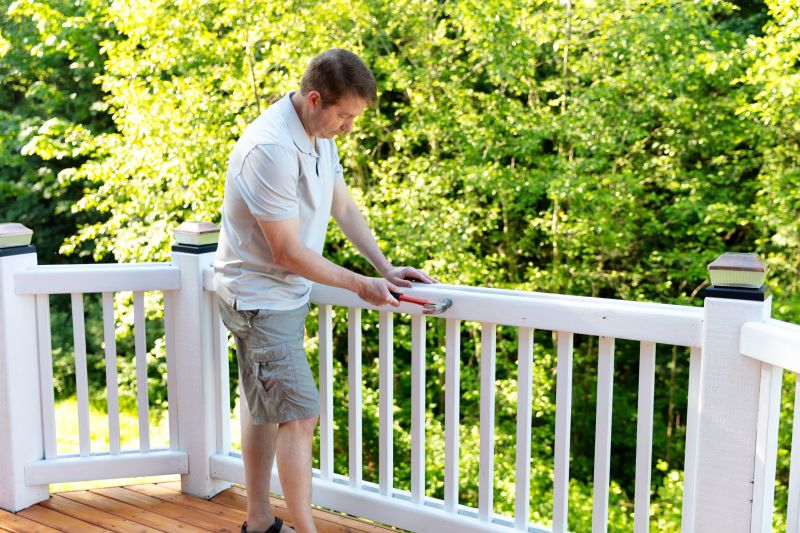
Simple add-ons that improve Deck Railing Repairs without blowing the budget.
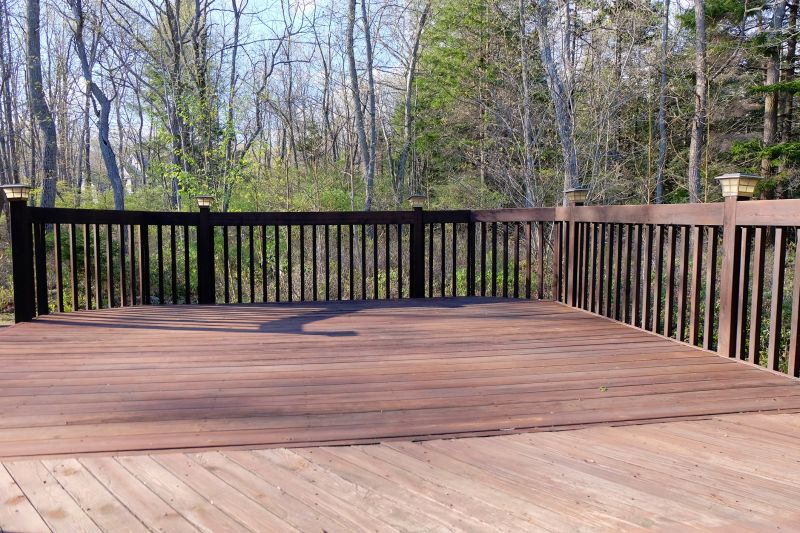
High-end options that actually feel worth it for Deck Railing Repairs.
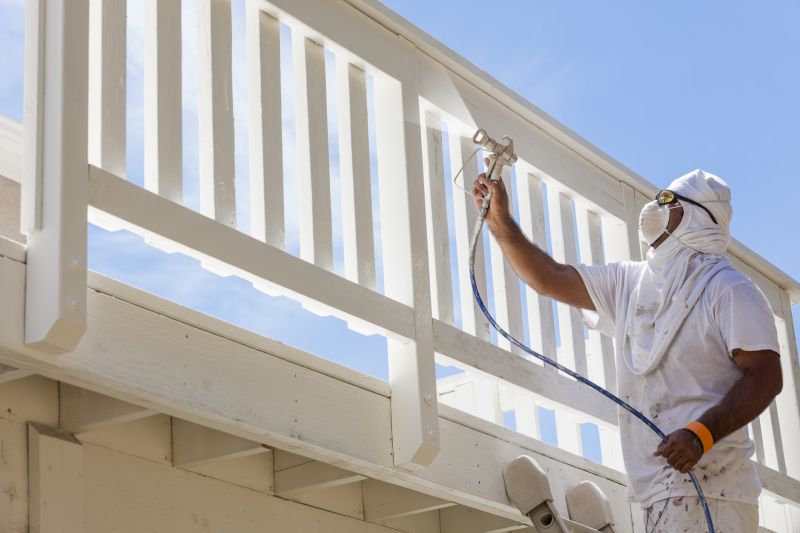
Finishes and colors that play nicely with Deck Railing Repairs.
Deck railing repairs are essential for maintaining safety and structural integrity. Timely repairs can prevent accidents caused by loose or damaged railings. The optimal time for repairs depends on weather conditions, material type, and the extent of damage. Proper scheduling ensures that repairs are durable and effective, reducing the need for frequent maintenance.
Statistics indicate that over 50% of deck-related injuries involve railing failure. Regular inspections and repairs can significantly reduce these risks. Choosing the right season for repairs can also influence the longevity of the work, with dry and moderate weather providing the best environment for materials to set and bond properly.
Rain and high humidity can delay repairs and compromise adhesion of paints or sealants.
Wood and composite materials respond differently to temperature and moisture during repairs.
Annual inspections help identify issues early, making repairs more manageable and effective.
Common causes include weathering, rot, and physical impacts, all requiring timely attention.
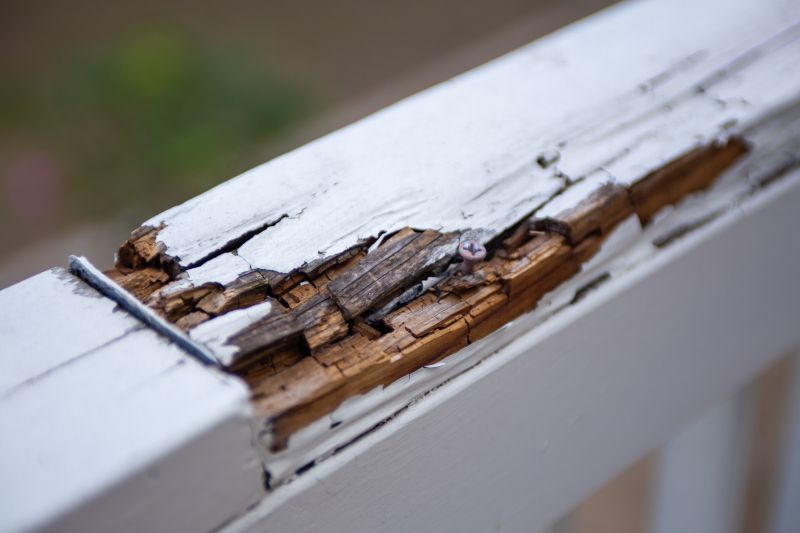
Close-up of a broken deck railing.
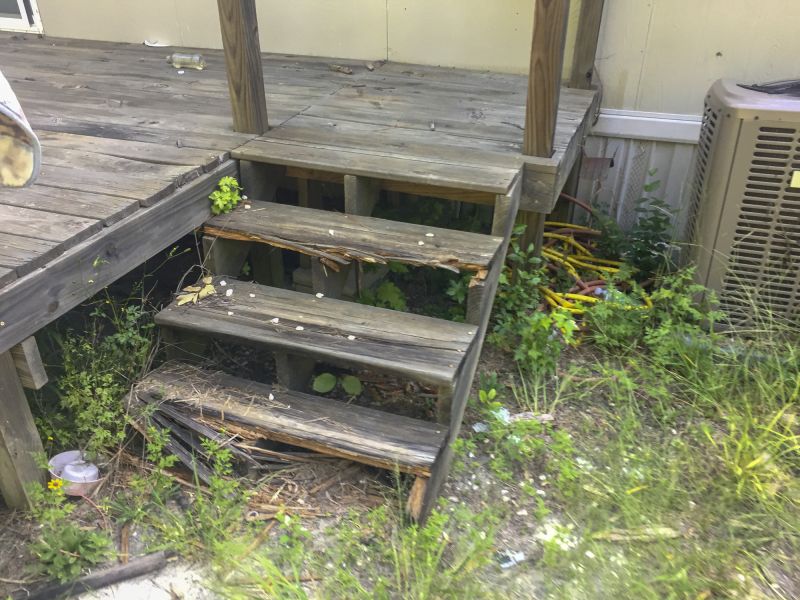
Old, weathered wood showing signs of rot and wear.
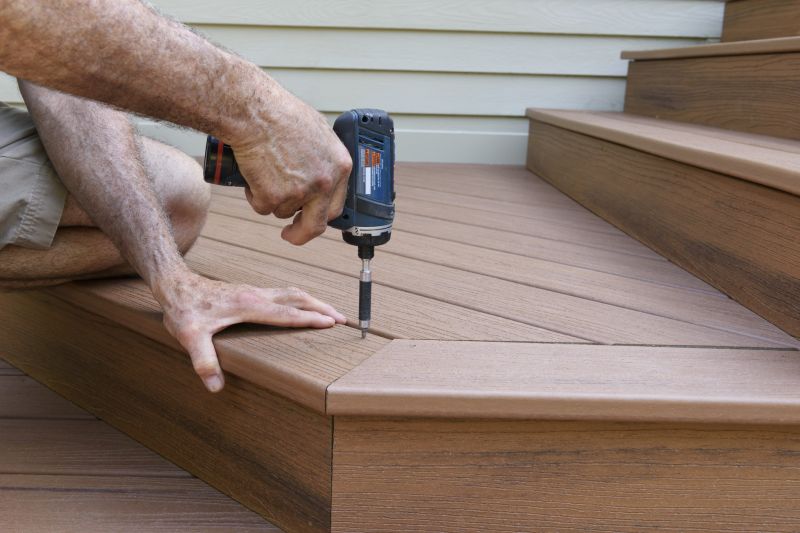
Tools used for railing repair including drills, screws, and sealants.
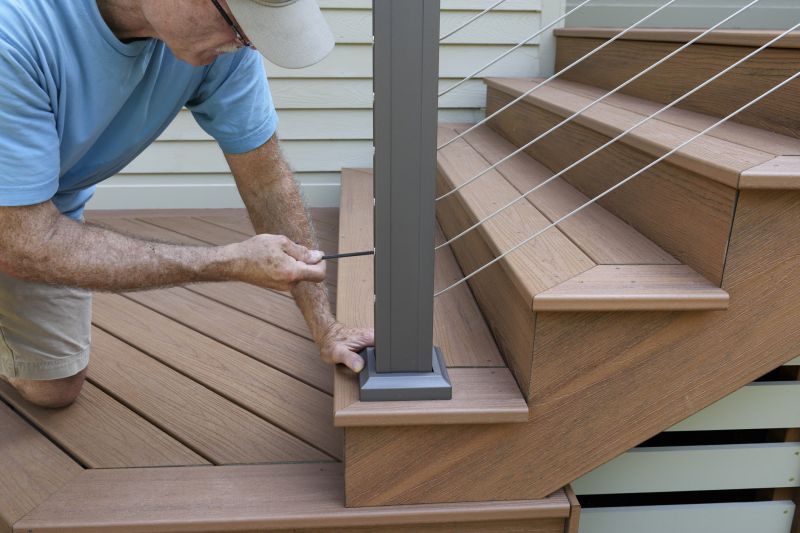
Installing a fresh railing post.
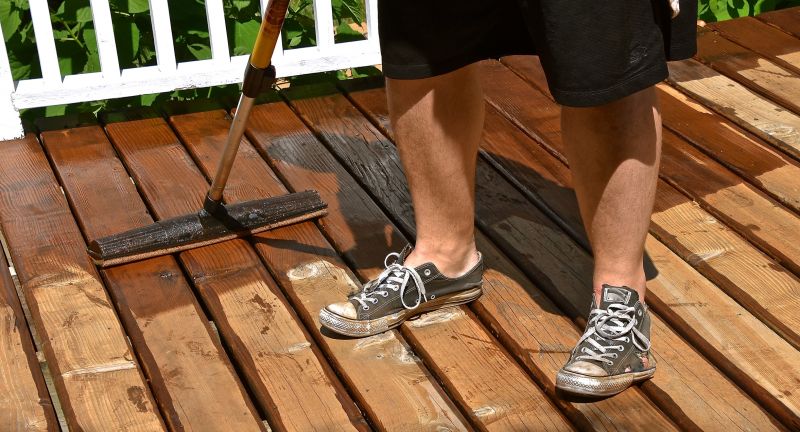
Applying protective coatings after repairs.
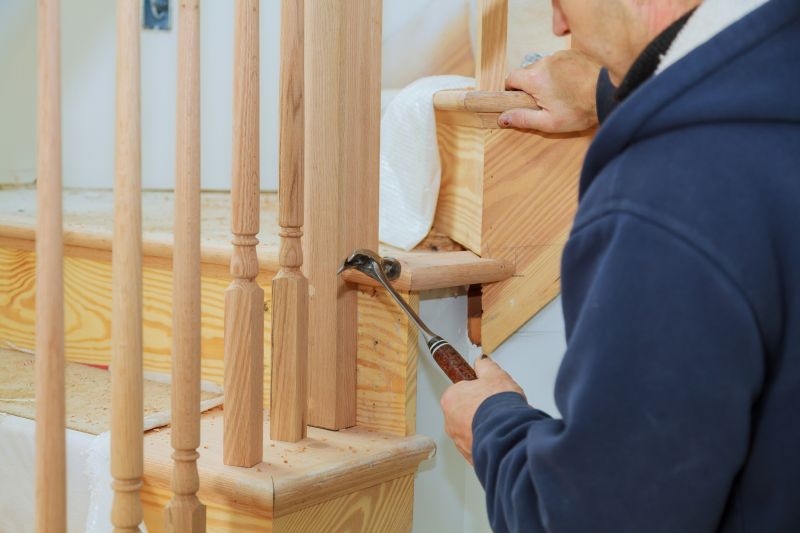
Inspecting railing stability and damage.
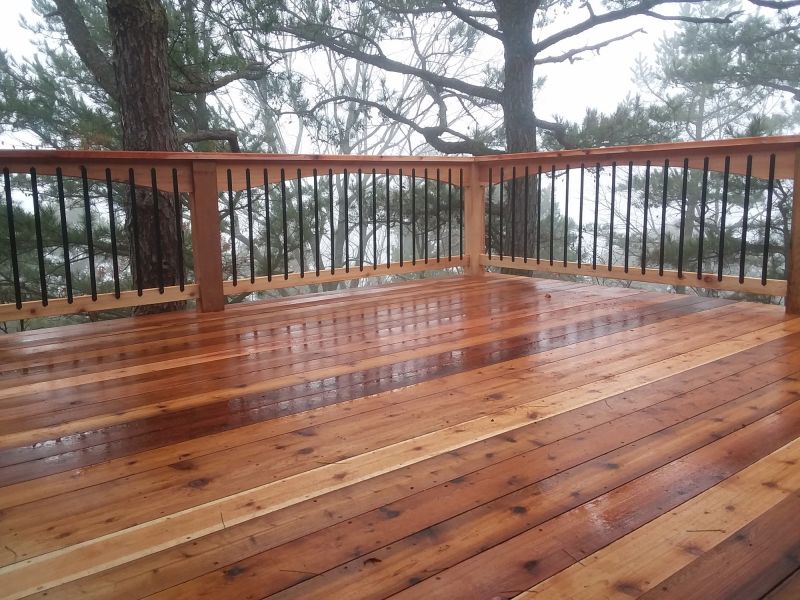
Choosing between wood, composite, or metal for repairs.
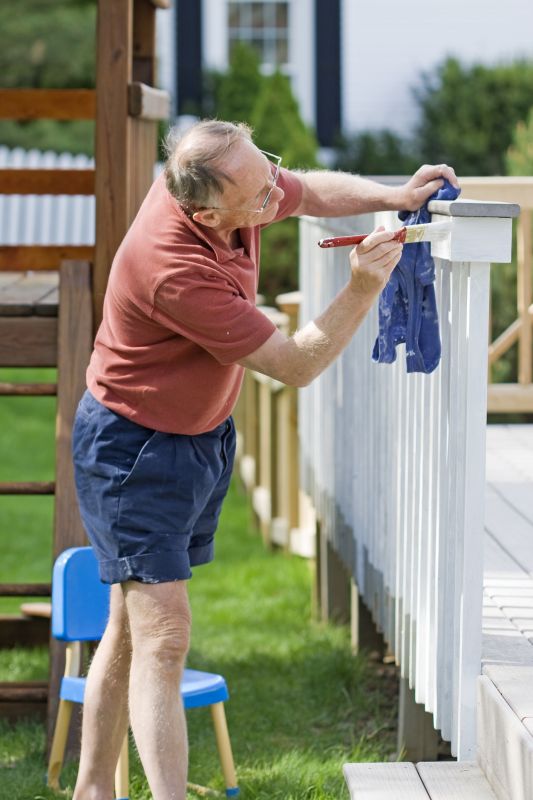
Completed deck railing with fresh paint and secure fittings.
| Season | Optimal Repair Conditions |
|---|---|
| Spring | Moderate temperatures, dry weather, ideal for curing materials. |
| Summer | Suitable if weather is dry; avoid peak heat for best results. |
| Fall | Cooler temperatures, low humidity, good for preparation before winter. |
| Winter | Generally not recommended due to cold, moisture, and freeze-thaw cycles. |