
Top-Rated Products For Fixing Deck Railing Issues Quickly
Learn about highly effective repair products that simplify fixing loose or damaged deck railings for safety and stability.
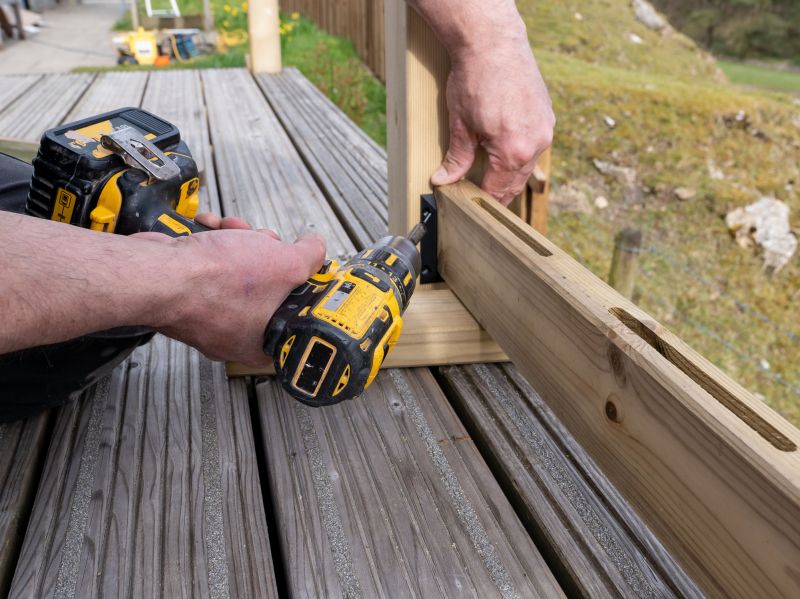 Maintaining the integrity and safety of a deck railing often involves selecting the right repair products to address various issues such as loose components, rotted wood, or damaged fasteners. When considering repairs, it's important to understand the different types of materials and tools available to ensure a durable and aesthetically pleasing result. From basic fasteners to specialized repair kits, there are numerous options designed to accommodate different levels of damage and types of railing materials.
Top Overall Option
Multi-Purpose Deck Repair Kit
This versatile repair kit includes a comprehensive selection of fasteners, wood fillers, sealants, and tools designed to address various deck railing issues. Its all-in-one nature makes it suitable for multiple repair scenarios, providing a convenient solution for homeowners seeking a reliable, adaptable product for maintaining their deck railings.
Types of Products For Deck Railing Repairs
Wood Filler and Epoxy
Used to fill cracks, gouges, and rot in wooden railings, restoring structural integrity and appearance.
Fasteners and Bolts
Essential for reattaching loose or broken railing components securely.
Sealants and Caulks
Seal gaps and prevent water infiltration that can cause further damage.
Wood Preservatives and Stains
Help protect wood from moisture and UV damage, extending the lifespan of the railing.
Metal Repair Kits
Designed for fixing or reinforcing metal railings and components.
Cable and Railing Wire
Replace or reinforce cable railings for improved safety and aesthetics.
Bracket and Mounting Hardware
Secure loose or damaged railing sections with sturdy brackets and hardware.
Composite Railing Repair Products
Specialized solutions for repairing composite or synthetic railing materials.
Decorative Caps and Finials
Replace or upgrade decorative elements to restore visual appeal.
Paint and Protective Coatings
Apply for finishing touches, protection, and color matching.
Railing Post Anchors
Ensure stability by securely anchoring railing posts to the deck surface.
Rope and Cable Ties
Temporary or supplementary support for loose components.
Weatherproofing Products
Seal and protect the entire railing structure from the elements.
Replacement Balusters
Swap out damaged or rotted balusters to restore safety and style.
Popular Choices
A widely used option for securing loose or damaged railing components efficiently.
Commonly chosen for filling cracks and holes in wooden railings.
Popular for sealing gaps and preventing water intrusion.
Frequently replaced to improve aesthetics and protect posts from weather.
Often selected for fixing or reinforcing metal sections of railings.
Trending for updating or repairing cable-style railings.
Commonly used for securing loose or damaged railing parts.
Popular among homeowners with synthetic railing systems.
Chosen for providing a protective layer against weathering.
Frequently used for restoring or updating railing appearance.
Popular for extending the life of wooden railing components.
Often selected for quick protection against the elements.
Commonly used to ensure stability of railing posts.
Popular for enhancing the visual appeal of deck railings.
Trending for modern and minimalist railing designs.
Proper repair not only enhances the safety of the deck but also extends its lifespan and preserves its visual appeal. The process may involve replacing broken or rotted wood sections, reinforcing loose joints, or sealing gaps to prevent further deterioration. Selecting the appropriate products requires an understanding of the existing railing material, the extent of damage, and the environmental conditions the deck is exposed to.
In addition to repair-specific products, preventive maintenance items such as sealants and protective coatings can help prolong the life of deck railings. Regular inspections and timely repairs can prevent minor issues from escalating into major structural problems. Whether working with wood, composite, or metal railings, the right products can make the repair process more efficient and ensure long-lasting results.
Investing in quality repair products and tools is essential for achieving professional-looking results and maintaining safety standards. While DIY repairs are accessible for many homeowners, choosing the appropriate products and following recommended procedures can significantly impact the durability and appearance of the repaired railing. Always consider the specific needs of your deck and consult product descriptions and reviews to select the most suitable options for your repair project.
Key Buying Considerations
- Compatibility with existing railing materials such as wood, metal, or composite.
- Extent of damage and whether repair or replacement is more appropriate.
- Weather resistance and durability of the product for outdoor use.
- Ease of application and whether special tools or skills are required.
- Compatibility with existing fasteners, fittings, and hardware.
- Type of damage, such as rot, rust, cracks, or loose components.
- Aesthetic match to the current deck design and color scheme.
- Long-term protection features like sealing, waterproofing, or preservatives.
- Size and quantity of products needed for the scope of repair.
- Safety features, especially for load-bearing or structural components.
- Availability of replacement parts like balusters, caps, or brackets.
- Cost-effectiveness and value for the level of repair needed.
- Manufacturer reputation and product reviews for reliability.
- Environmental exposure considerations, such as saltwater or high humidity.
- Compliance with local building codes and safety standards.